

What is the Difference: G.652.D vs. G.657.A1?
A technical comparison of the industry-standard G.652.D and the bend-insensitive G.657.A1 single-mode fibers.
G.652.D has been the industry standard for many years, but its inherent bend sensitivity became a problem in tight environments like racks, enclosures, and customer premises. G.657.A1 was developed specifically to solve these issues, offering a reduced bend radius that helps to maintain signal integrity in cramped spaces.
G.652.D (Standard SMF)
- ✕Bend Sensitivity: High macrobending loss; signal failure occurs at radii below 30mm.
- ✕Legacy Backbone: The global ‘workhorse’ optimized for long-haul and rural spans.
- ✕Cost Leader: Most economical fiber due to massive economies of scale.
- ✕Rigid Deployment: Best for straight, underground conduits and long-span aerials.
G.657.A1 (Bend-Insensitive)
- ✓Bend Resilience: Maintains signal integrity at radii as small as 10mm.
- ✓Backward Compatible: Fully splice-compatible with existing G.652.D networks.
- ✓Trench-Assisted: Features a refractive ’trench’ to keep light trapped in the core.
- ✓Urban Specialty: Ideal for complex FTTH, MDUs, and data center routing.
The Bend-Insensitivity Advantage
Comparing the mechanical and optical resilience of G.657.A1 fiber against standard G.652.D.
10mm
Minimum Bend Radius0.25dB
Max Loss at 15mm Bend100%
Backward Compatibility35%
Lower Maintenance CostITU-T Standard Tiers
Correct fiber choice balances the physical constraints of the installation environment with cost and compatibility.
G.652.D
Industry WorkhorseThe global standard for non-dispersion shifted fiber. Optimized for 1310nm operation with a full-spectrum window from 1260nm to 1625nm.
- Zero dispersion at 1310 nm
- Lowest initial purchase cost
- Higher loss from macrobending
G.657.A1
Bend InsensitiveThe first tier of bend-insensitive fiber. Designed for urban distribution where tight corners and crowded ducts are frequent.
- 10 mm minimum bend radius
- Full backward compatibility
- Reduces failure 'truck rolls'
G.657.A2
Extreme ResilienceEngineered for customer premises and high-density patching. Can be routed around door frames and wall cavities with zero signal impact.
- 7.5 mm bend radius (G.657.A2)
- Trench-assisted light confinement
- Maximum installation flexibility
Evolution of Single-Mode Standards
From the birth of fiber to the bend-insensitive revolution.
Birth of G.652
ITU-T introduces the first standard for non-dispersion-shifted fiber.
The LWP Breakthrough
G.652.D eliminates the ‘water peak’ at 1383nm, enabling full-spectrum CWDM.
G.657 Established
The G.657 standard is born to support the global Fiber-to-the-Home (FTTH) expansion.
The Density Revolution
Adoption of 200-micron and 180-micron BI fibers to maximize conduit capacity for 5G and AI.
Where Standards Meet Reality
Strategic deployment based on physical constraints and bend requirements.
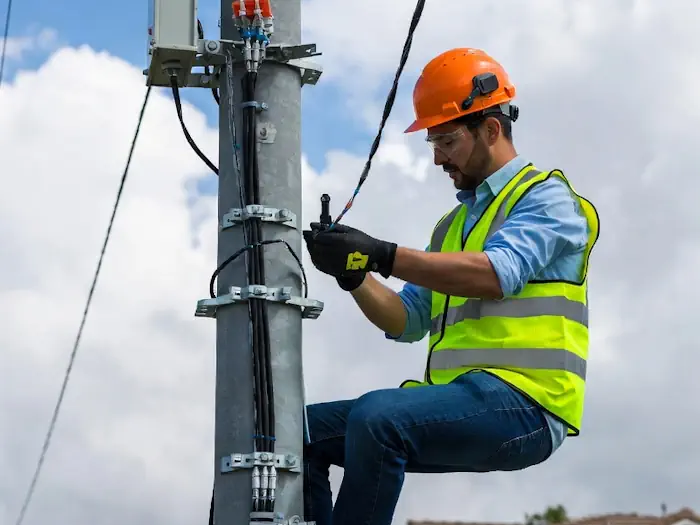
FTTH & Premise Installs
G.657.A1 is essential for navigating tight corners and compact ONT housings where G.652.D would suffer high macrobend loss.
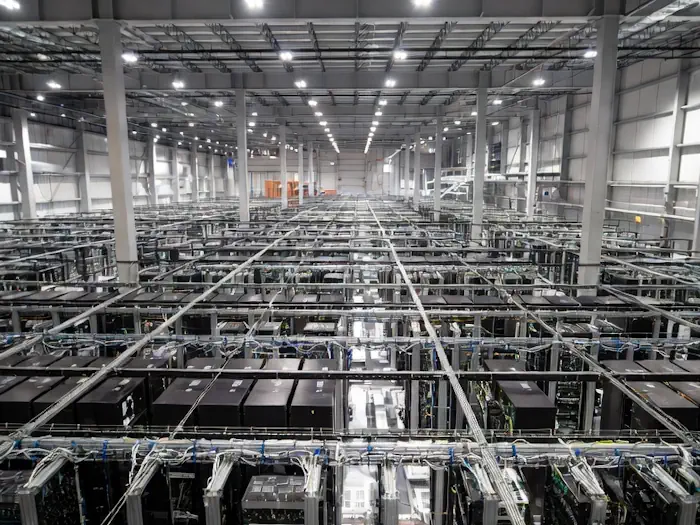
Hyperscale Infrastructure
Provides the resilience needed for high-density, high-count fiber cabling that must be routed through complex facility pathways.

Data Center Patching
Manages congestion within 19-inch racks and cable trays where tight bends and slack storage are unavoidable.
Macrobending Loss at 1625nm (dB)
Mechanical Resilience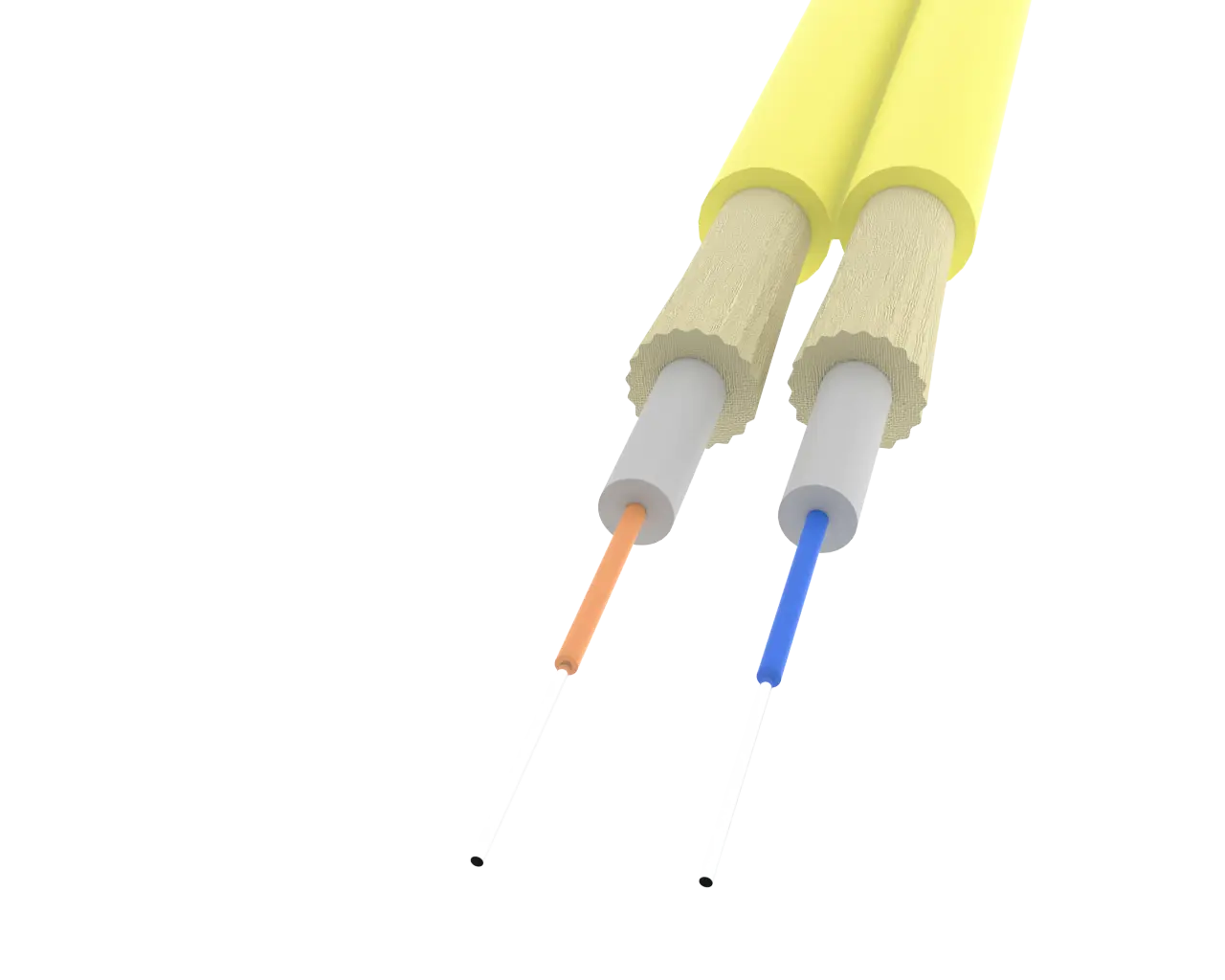
Figure-8 Duplex Fiber Patch Leads, 2mm
Figure-8 duplex patch cords with 2mm round cable, available in multi-mode and single-mode optical fiber types, supporting everything from legacy networks to modern 800G infrastructure.
View G.657.A1 Patch CordsTechnical FAQ
Optimize Your Next Network Build
Whether you need long-haul stability or urban flexibility, we provide the technical expertise to choose the right glass.
Download Technical ComparisonConsult with our engineering team about your specific deployment environment.