

OFNP vs. OFNR vs. CPR vs. LSZH: The Global Guide to Fiber Cable Jackets
Understanding the critical differences between North American (NEC) and European (CPR) fire safety standards for optical fiber infrastructure.
Choosing the right cable jacket is a balance of regional code compliance, material science, and safety priorities. Understanding the difference between NEC and CPR frameworks ensures your network is both resilient and compliant.
Global Classification Guide
Selecting the right jacket is a balance between regional code compliance and specific environmental hazards. North American markets prioritize air-handling safety (NEC), while European and Asian markets focus on human toxicity and emission control (CPR/LSZH).
NEC: OFNP & OFNR
North AmericaThe standard for building codes in the US and Canada. Includes Plenum (OFNP) for HVAC spaces and Riser (OFNR) for vertical shafts.
- OFNP: NFPA 262 Steiner Tunnel Rated
- OFNR: UL 1666 Flame Propagation Rated
- Engineered for specific building zones
- Primarily Fluoropolymer or PVC based
Euroclass: CPR B2ca/Cca
EuropeMandatory for permanent installations in the EU and UK. Provides individual ratings for smoke, flaming droplets and acidity.
- Legally required for all permanent EU installations
- Superior heat release and fire growth protection
- Ensures safe smoke levels for public building evacuation
- Protects hardware from acidic combustion byproducts
LSZH (Low Smoke Zero Halogen)
Asia & OceaniaThe preferred standard for Asia and Australia. Rated according to IEC 60754 (and sometimes others).
- Zero Halogen (IEC 60754)
- Low Smoke (IEC 61034-2)
- Non-corrosive to GPU/AI server fabrics
- Ideal for data centers and buildings in Asia
Regional Safety Benchmarks
Each major global market prioritizes a specific safety metric to define its highest tier of cable infrastructure.
5.0 ft
USA (OFNP) Flame Limit≤ 20 W/s
EUROPE (B2ca) FIGRA0.0%
ASIA (LSZH) Halogens4.3 pH
GLOBAL (Non-Acidic)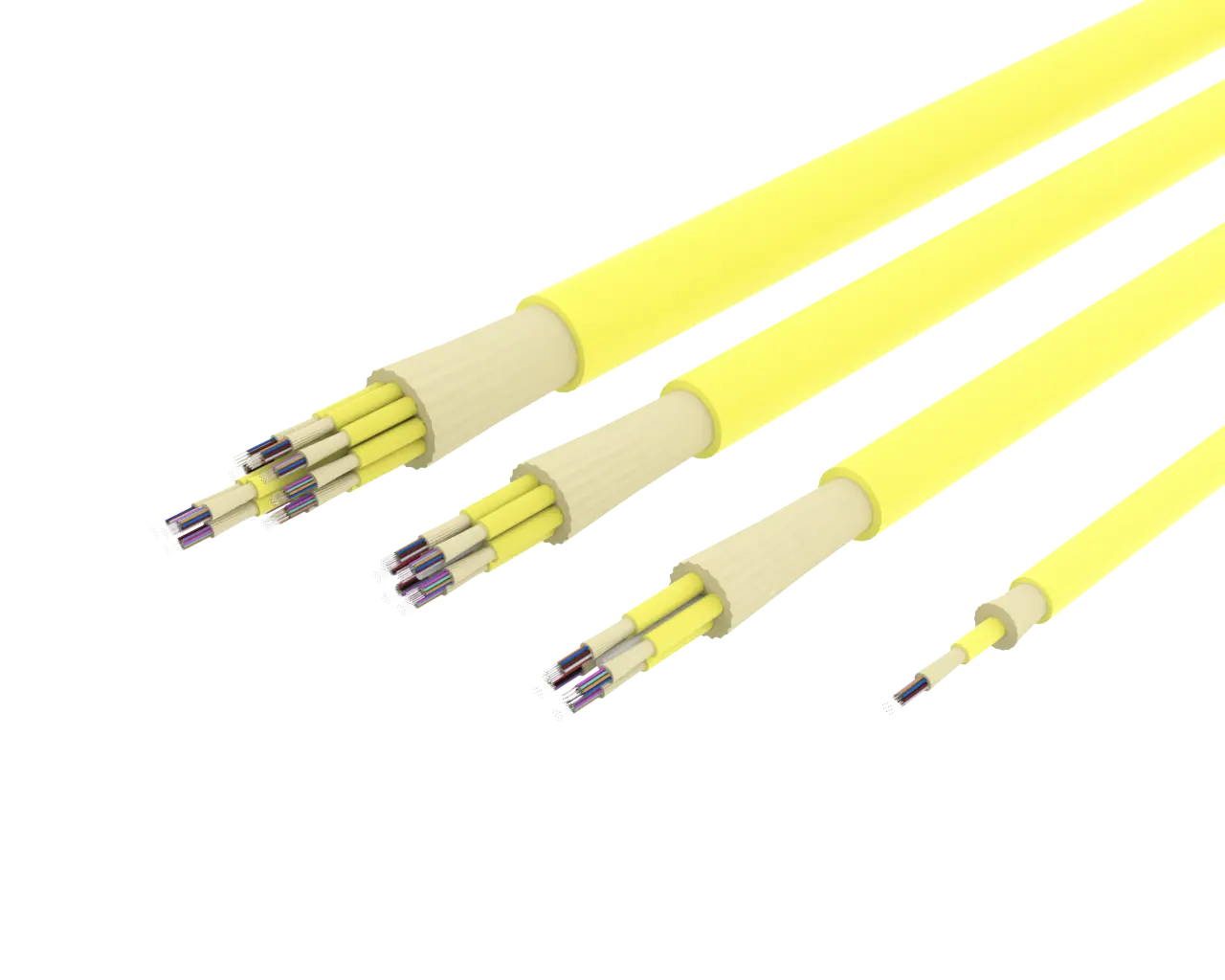
Indoor Cables
ScaleFibre's range of indoor optical fiber cables.
View Product DetailsThe Material Science of Protection
Thermal Resistance
OFNP jackets use Fluorinated Ethylene Propylene (FEP) with an Oxygen Index >95% to prevent ignition in air.
Endothermic Cooling
LSZH jackets contain hydrated minerals that undergo an endothermic reaction, releasing water vapor to cool the cable.
Intumescent Char
Flame-retardant polymers can form a thermally stable char or protective layer during combustion that helps slow heat transfer and reduce flame spread, protecting internal cable components.
Emission Management
Zero-halogen compounds prevent the formation of corrosive hydrogen chloride (HCl) gas during combustion, reducing toxic and corrosive emissions compared to PVC-based materials.
Primary Hazards in Cable Fires
In enclosed spaces, smoke inhalation and equipment corrosion often cause more damage than the flames themselves.
Jacket Performance Profile
A high level comparison between regional and material standards.
North American NEC (OFNP/OFNR)
- →Application: Standards defined by NFPA 70 for US/Canadian builds.
- →Fire Testing: Focused on the Steiner Tunnel test (NFPA 262).
- →Rating: OFNR (Riser) and OFNP (Plenum) ratings for different spaces.
- →Environmental: Heavy focus on flame travel and smoke density.
European CPR
- →Application: Mandatory Euroclasses under EN 50575 for EU territory.
- →Fire Testing: Focused on FIGRA (Fire Growth Rate) and heat release.
- →Rating: Range from Fca to Aca, with a practical limit of B2ca.
- →Environmental: Stringent ’s, d, a’ ratings for smoke, droplets, and acidity.
Fire Growth Rate Index (FIGRA) by Class
Safety TiersReal-World Applications
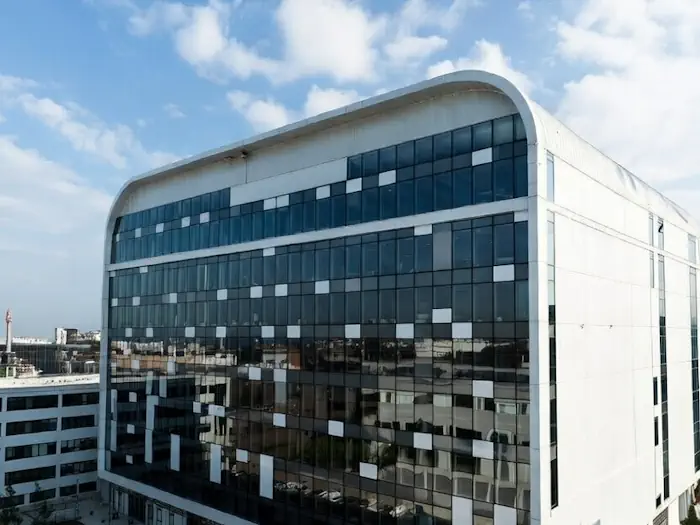
Public Buildings
Using the correctly rated cable jacket for public buildings, which are often a higher level.

Data center and Hyperscale
Using the correct class of cable jacket in the right country, ensuring compliance with local regulations.
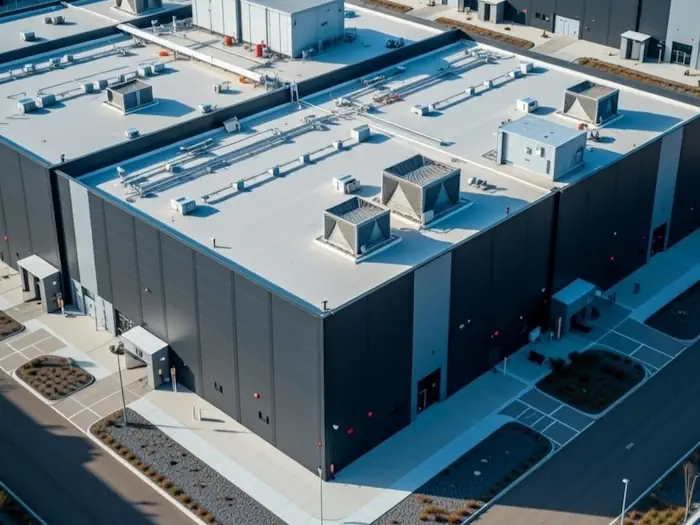
High-Value GPU Clusters
Using high-tier CPR jackets to prevent acidic gas from corroding multi-million dollar semiconductor fabrics.
Technical FAQ
Choose the Right Cables for Fire Safety
Does your next build require North American OFNP or European CPR B2ca? Get in touch today.
Contact Our TeamA range of cable options for OFNP, OFNR, and CPR-rated assemblies.
References & Footnotes
- NFPA 262: Standard Method of Test for Flame Travel and Smoke of Wires and Cables (Plenum).
- EN 50575: Power, control and communication cables - Construction Products Regulation (CPR).
- IEC 60754-2: Determination of acidity and conductivity of gases evolved during combustion.
- UL 1666: Standard for Test for Flame Propagation Height of Cables (Riser).